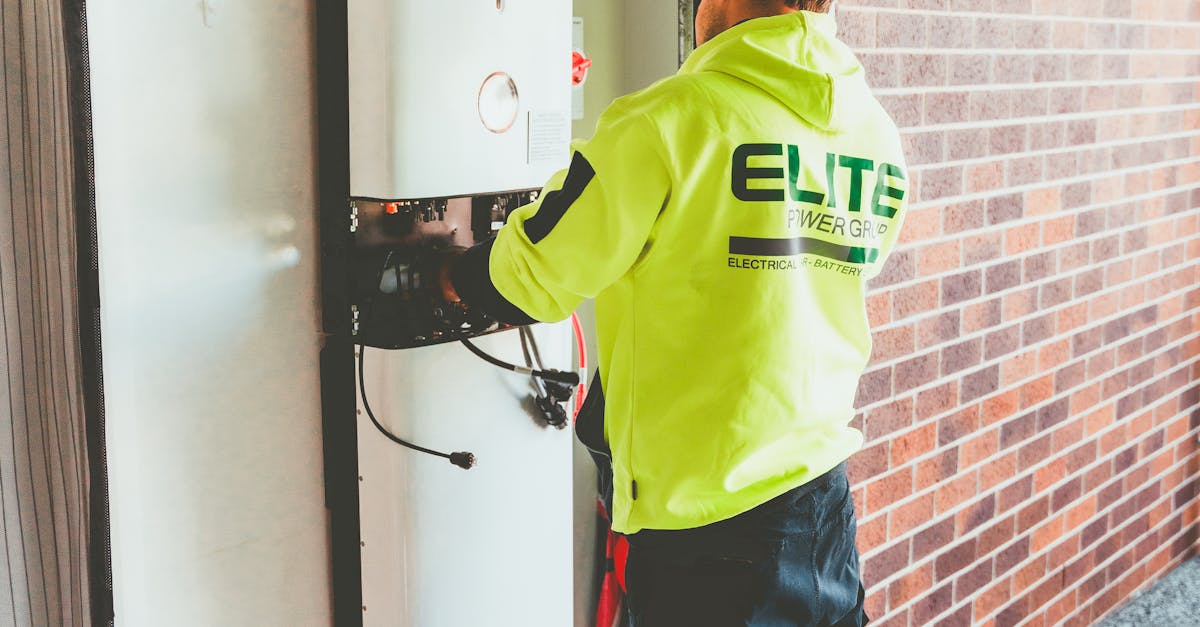
What to Expect from a Comprehensive Electrical Safety Inspection
Table Of Contents
Choosing the Right Electrician for Your Needs
Selecting an electrician suitable for your needs involves thorough research and consideration. Start by seeking recommendations from family, friends, or online reviews. Look for professionals who have experience in conducting electrical safety inspections. It’s essential to ensure that the electrician holds the necessary qualifications and certifications. Checking their credentials can provide insight into their skill level and commitment to safety standards.
Once you have a shortlist, consider contacting potential electricians to discuss your specific requirements. Ask about their approach to inspections, the tools they use, and their process for addressing issues uncovered during the inspection. Transparency in communication, willingness to answer questions, and a comprehensive understanding of electrical systems are all markers of a reliable electrician. Prioritising these factors will help you make an informed decision.
Qualifications and Licensing
When seeking an electrician for an electrical safety inspection, it is crucial to verify their qualifications and licensing. In Australia, electricians must complete a Certificate III in Electrotechnology, which provides essential training in electrical systems and safety practices. Additionally, they are required to hold a valid electrical licence issued by their state or territory's regulatory authority. This ensures they possess the knowledge and skills necessary to carry out inspections following industry standards.
Licensing not only signifies a level of technical competence but also compliance with legal requirements. Electricians are expected to stay current with Australian Electrical Standards, which evolve to enhance safety and efficiency. A licensed electrician will often carry insurance that protects both them and the homeowner in case of accidents or damages. This accountability reinforces the importance of hiring qualified professionals for ensuring electrical systems are safe and operational.
Common Findings in Electrical Safety Inspections
During an electrical safety inspection, several common issues are often identified. Outdated wiring is a frequent concern, as older systems can pose significant risks, including electrical fires. Inspectors typically look for signs of wear and tear, such as frayed insulation or loose connections, which can indicate that the wiring needs upgrading. Additionally, the presence of ungrounded outlets and the use of inappropriate extension cords can compromise the safety of a home's electrical system.
Another typical finding involves circuit breakers or fuses that are malfunctioning or insufficient for the electrical load of the property. Inspectors may discover that some areas are overloading circuits, leading to frequent tripping of breakers. Furthermore, the absence of necessary safety features, such as residue circuit devices (RCDs) or surge protectors, may also be noted. These issues highlight the necessity for regular inspections to ensure that electrical systems remain compliant with the latest safety standards and operate reliably.
Identifying Outdated Wiring
Outdated wiring can pose significant safety risks in any property. Over time, materials degrade, insulation can become brittle, and outdated systems may not meet current safety standards. Electricians will inspect wiring for signs of wear and tear, including cracks and frayed connections. They will also assess whether the wiring gauge is appropriate for modern electrical loads, as older systems often struggle to handle the increased demand of contemporary appliances and electronics.
Another factor to consider is the type of wiring used. Many homes built before the 1980s may still have old wiring types, such as knob-and-tube or aluminium, which have since been deemed less safe and reliable. Identifying these issues early can prevent potential hazards like electrical fires or shock. An experienced electrician will provide insights on necessary upgrades and ensure your home’s electrical system is safe and efficient.
Benefits of Regular Electrical Safety Inspections
Regular electrical safety inspections play a crucial role in maintaining the integrity of a home's wiring system. By identifying potential hazards before they escalate, these inspections minimise the risk of electrical fires and short circuits. Homeowners benefit from peace of mind, knowing that their electrical systems are up to code and functioning safely. Addressing issues early on also helps in avoiding potentially costly repairs down the line.
Another advantage of conducting routine inspections lies in enhancing energy efficiency. Outdated wiring and faulty connections can lead to inefficient electricity use, resulting in higher energy bills. An electrician can help identify areas for improvement, enabling homeowners to implement upgrades that not only save money but also reduce their environmental footprint. Regular inspections foster a proactive approach to home maintenance, leading to long-term benefits for both safety and cost-effectiveness.
Enhancing Home Safety and Security
Regular electrical safety inspections play a pivotal role in ensuring the overall safety and security of your home. By identifying potential hazards, such as faulty wiring and overloaded circuits, these inspections help prevent fire risks and electrical shocks. Safe electrical systems provide peace of mind, allowing residents to focus on daily activities without the constant worry of unexpected electrical failures. Ensuring that all electrical installations meet current safety standards contributes to a secure living environment.
Moreover, these inspections can highlight areas where upgrades are necessary, improving the efficiency of your electrical systems. Increased safety often leads to enhanced property value, as well-maintained electrical systems are more appealing to buyers. Maintaining a safe home also influences insurance premiums, with many providers offering better rates for homes that undergo regular inspections. Prioritising electrical safety contributes not only to immediate well-being but also to long-term financial benefits.
FAQS
What is a comprehensive electrical safety inspection?
A comprehensive electrical safety inspection is a thorough assessment of your electrical system, conducted by a qualified electrician, to identify potential hazards, outdated wiring, and ensure compliance with safety regulations.
How do I choose the right electrician for my electrical safety inspection?
Look for an electrician who is licensed, qualified, and experienced in conducting safety inspections. Check their reviews, ask for recommendations, and ensure they offer a detailed inspection service.
What qualifications should the electrician have for conducting an electrical safety inspection?
The electrician should have relevant qualifications, such as a Certificate III in Electrotechnology, and hold a valid electrical licence. Additional certifications in safety inspection or compliance can be beneficial.
What are common findings during an electrical safety inspection?
Common findings may include outdated wiring, overloaded circuits, faulty outlets, improper grounding, and non-compliance with current electrical standards.
How often should I have an electrical safety inspection conducted?
It is generally recommended to have an electrical safety inspection conducted every 1-5 years, depending on the age of your home, the condition of your electrical system, and any changes or renovations made to the property.
Related Links
Tips for Choosing the Right Electrician for Safety InspectionsThe Impact of DIY Electrical Work on Safety Inspections
How Often Should You Schedule an Electrical Safety Inspection
Post-Inspection Recommendations: Ensuring Ongoing Electrical Safety
The Role of the Electrician During Your Home Safety Inspection
Common Electrical Hazards Found During Home Safety Inspections
How to Prepare for an Electrical Safety Inspection in Tullamarine
Key Signs Your Home Needs an Electrical Safety Inspection