The Impact of DIY Electrical Work on Safety Inspections
Table Of Contents
Advancements in Electrical Safety Technology
Electrical safety has seen remarkable innovations in recent years, greatly enhancing both the safety and efficiency of installations. Smart technology, such as circuit interrupters and smart circuit breakers, provides real-time monitoring of electrical systems. These advancements allow homeowners to detect irregularities before they escalate into serious hazards. Additionally, breakthroughs in insulation materials and energy-efficient lighting further minimise risks associated with DIY projects.
Safety devices are now more accessible, enabling DIY enthusiasts to complete work with greater confidence. Tools equipped with grounding mechanisms and protective casings greatly reduce the likelihood of electric shock during installations. Instructional apps and online platforms provide guidance on best practices and safety standards, aiding those who choose to take on electrical tasks themselves. The continuous evolution of these technologies plays a crucial role in promoting safer electrical work throughout the community.
Tools and Equipment for Safer DIY Projects
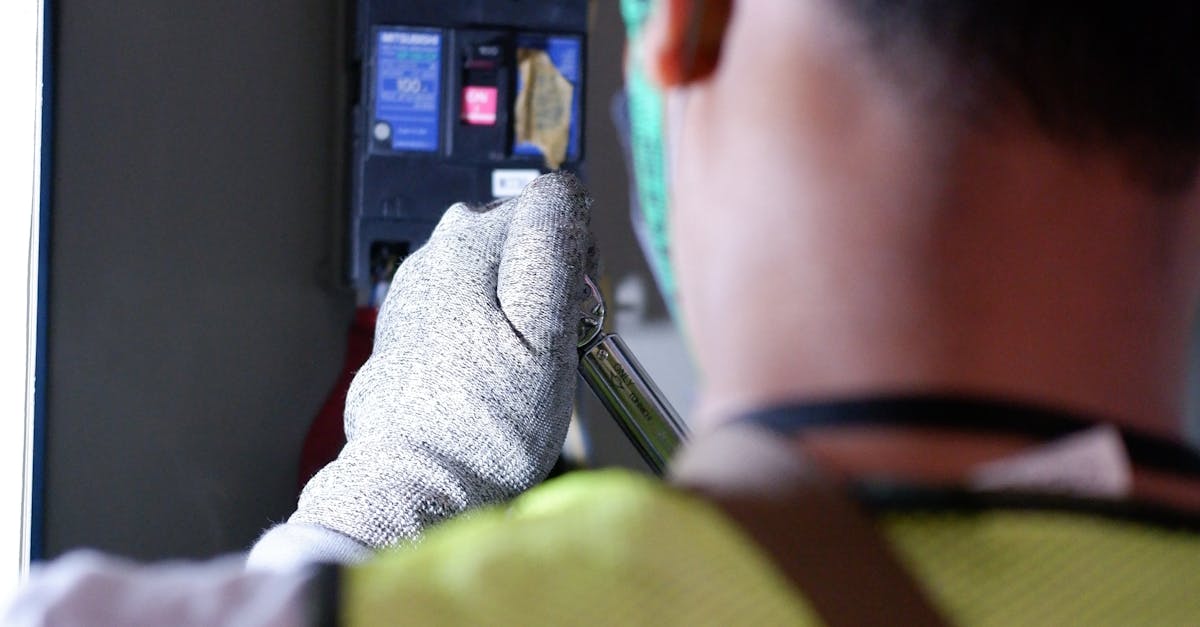
Safety in DIY electrical work relies heavily on having the right tools and equipment. High-quality insulated tools can reduce the risk of electric shock. Multimeters are essential for measuring voltage, current, and resistance, ensuring that circuits are functioning correctly. Furthermore, personal protective equipment, such as safety goggles and gloves, adds an extra layer of protection against accidental hazards.
In addition to basic hand tools, investing in specialised equipment enhances safety. Circuit breakers, GFCI outlets, and voltage testers provide crucial safeguards against electrical mishaps. Using a reliable ladder can help avoid accidents while working at heights, ensuring stability and safety. Understanding how to properly use each tool is fundamental for minimizing risks and promoting a secure working environment.
The Role of Licensed Electricians
Licensed electricians possess the expertise and training necessary to ensure that electrical systems are installed and maintained to the highest safety standards. Their familiarity with regulations and codes is vital for compliance, reducing the risk of hazards associated with substandard work. They undergo rigorous training programmes that equip them with the skills to identify potential issues before they escalate. This proactive approach can save homeowners from costly repairs and enhance overall safety in residential environments.
Hiring a licensed professional not only guarantees adherence to legal requirements but also provides peace of mind. Homeowners can rest assured knowing that the work is completed by someone who is accountable and carries professional indemnity insurance. This level of protection is crucial, particularly in the event of accidents or damages resulting from electrical installations. Engaging a licensed electrician offers assurance that the job will be done correctly, prioritising safety above all.
Benefits of Hiring Professionals
Engaging a licensed electrician ensures compliance with local regulations and safety standards. Professionals possess the knowledge and experience required to execute complex electrical tasks efficiently. This expertise significantly reduces the likelihood of errors that could lead to hazards, such as electrical fires or electrocution. Additionally, professionals stay updated on the latest industry practices and innovations, which can enhance the safety and efficiency of the work performed.
Hiring professionals also provides peace of mind for homeowners. Knowing that a qualified individual is handling electrical systems alleviates concerns related to safety and future liabilities. Many licensed electricians offer warranties or guarantees on their work, which can serve as an added layer of protection for homeowners. This assurance is particularly valuable when it comes to significant electrical installations or repairs, where the cost of potential mistakes can escalate rapidly.
Homeowner Responsibilities
Homeowners must prioritise understanding local electrical codes and regulations before embarking on any DIY electrical work. Familiarising themselves with these guidelines ensures that all renovations align with safety standards. This attention to detail not only protects the property but also safeguards the well-being of all occupants in the home. Ignorance of proper procedures can lead to hazardous situations, making thorough research essential for anyone attempting electrical projects.
Taking responsibility for safety extends to recognising the limitations of one's skills and knowledge. Homeowners should assess whether a task is within their expertise or if it would be wiser to enlist a licensed electrician. Acknowledging these limitations can prevent costly mistakes and reduce the risk of accidents. Maintaining an open line of communication with professionals regarding any concerns can lead to more informed decision-making in electrical work.
Understanding Your Role in Electrical Safety
Homeowners must become familiar with the basic principles of electrical safety to protect both themselves and their property. This includes understanding the guidelines for handling electrical installations and the limitations of their skills. Knowledge about circuit breakers, fuses, and the importance of proper grounding can empower individuals to make safe decisions while undertaking DIY projects.
It is also crucial for homeowners to be aware of local regulations and safety standards. These regulations help ensure that any electrical work complies with safety codes. Familiarity with these legal obligations can prevent future complications, including fines or issues during property transactions. Engaging with the community through local workshops or online resources can enhance understanding and promote a culture of safety in DIY electrical work.
FAQS
What are the risks associated with DIY electrical work?
DIY electrical work can lead to safety hazards such as electrical shocks, fires, and improper wiring. Without proper knowledge and tools, homeowners may inadvertently create dangerous situations that could affect their safety and that of others.
How can advancements in electrical safety technology help DIY projects?
Advancements in electrical safety technology, such as smart circuit breakers and advanced testing tools, can enhance the safety of DIY projects. These technologies can help homeowners identify potential issues before they become serious problems and ensure that installations meet safety standards.
Why should I hire a licensed electrician instead of doing it myself?
Hiring a licensed electrician ensures that the work is performed to code and meets safety regulations. Professionals have the necessary training, experience, and insurance to handle complex electrical tasks safely, reducing the risk of accidents and ensuring compliance with local laws.
What are the benefits of hiring professionals for electrical work?
Hiring professionals can save time and money in the long run, as they can identify and fix issues quickly and effectively. Additionally, licensed electricians provide guarantees on their work and can help with obtaining necessary permits and passing safety inspections.
What responsibilities do homeowners have regarding electrical safety?
Homeowners are responsible for ensuring that any electrical work done on their property complies with safety regulations. This includes understanding and following local codes, ensuring that all installations are performed safely, and maintaining proper documentation for inspections.
Related Links
What to Expect from a Comprehensive Electrical Safety InspectionHow Often Should You Schedule an Electrical Safety Inspection
Tips for Choosing the Right Electrician for Safety Inspections
Post-Inspection Recommendations: Ensuring Ongoing Electrical Safety
The Role of the Electrician During Your Home Safety Inspection