Common Electrical Hazards Found During Home Safety Inspections
Table Of Contents
Ground Fault Circuits
Ground fault circuits play a crucial role in enhancing electrical safety within homes. These circuits are designed to quickly detect imbalances in electrical current caused by faults or leaks, automatically shutting off power to prevent potential shocks. In areas where water and electricity could come into contact, such as bathrooms and kitchens, ground fault circuit interrupters (GFCIs) are particularly essential. They provide an extra layer of protection against electrical hazards, ensuring that anyone using electrical appliances in damp conditions remains safe.
The installation of these circuits is not just a recommendation; it is often mandated by electrical codes in many regions. Home safety inspections typically assess the presence and functionality of GFCIs to ensure compliance and safety. A home lacking adequate ground fault protection may significantly increase the risk of electrical accidents. Regular testing of GFCIs is advisable to make certain they function properly and continue to offer reliable protection.
The Role of GFCI in Home Safety
Ground Fault Circuit Interrupters (GFCIs) play a crucial role in reducing the risk of electric shock in residential environments. These devices are specifically designed to detect imbalances in electrical current, particularly in areas where water may be present, such as bathrooms, kitchens, and outdoor spaces. By quickly cutting off the power when a fault is detected, GFCIs provide an essential layer of protection, ensuring that occupants are safeguarded from potentially life-threatening situations.
The installation of GFCIs is a requirement in many modern electrical codes due to their effectiveness in preventing electrical accidents. Regular testing of these devices is vital, as worn or faulty GFCIs may fail to offer the necessary protection. Homeowners should also be aware of the importance of placing GFCIs in high-risk areas and ensuring that they are easy to access for maintenance and testing. Proper utilisation of GFCIs can significantly enhance the overall electrical safety of a home.
Inadequate Lighting
Insufficient lighting can create significant hazards within a home. Areas such as staircases, hallways, and entrances pose increased risks when visibility is poor. Homeowners may find themselves unable to see potential obstacles, leading to trips and falls. Also, dark spaces often deter individuals from properly using or observing electrical appliances, which may result in unsafe practices.
Additionally, inadequate lighting can exacerbate existing electrical issues by making faults harder to detect. Flickering bulbs or damaged fittings may go unnoticed in dimly lit areas, leading to further safety concerns. To maintain a secure environment, it is advisable to enhance lighting throughout the home, ensuring that all spaces are adequately illuminated, especially in critical areas. A well-lit home contributes not only to safety but also to overall comfort and peace of mind.
Hazards Linked to Poor Illumination
Insufficient lighting in a home can lead to several safety risks, affecting not just the aesthetic quality of a space but also the well-being of its occupants. Poor visibility increases the likelihood of trips, falls, and other accidents, particularly in high-traffic areas such as staircases or hallways. Additionally, dark corners and spaces can become hiding spots for hazards, making it difficult for individuals to identify potential dangers lurking in their environment.
Beyond physical injuries, inadequate illumination can also contribute to a sense of unease. Home environments that lack proper lighting may foster feelings of insecurity, especially in entryways and outdoor spaces. This insecurity can deter individuals from navigating their homes comfortably at night. Overall, addressing lighting deficiencies is crucial for enhancing both safety and peace of mind within residential settings.
Unsecured Electrical Panels
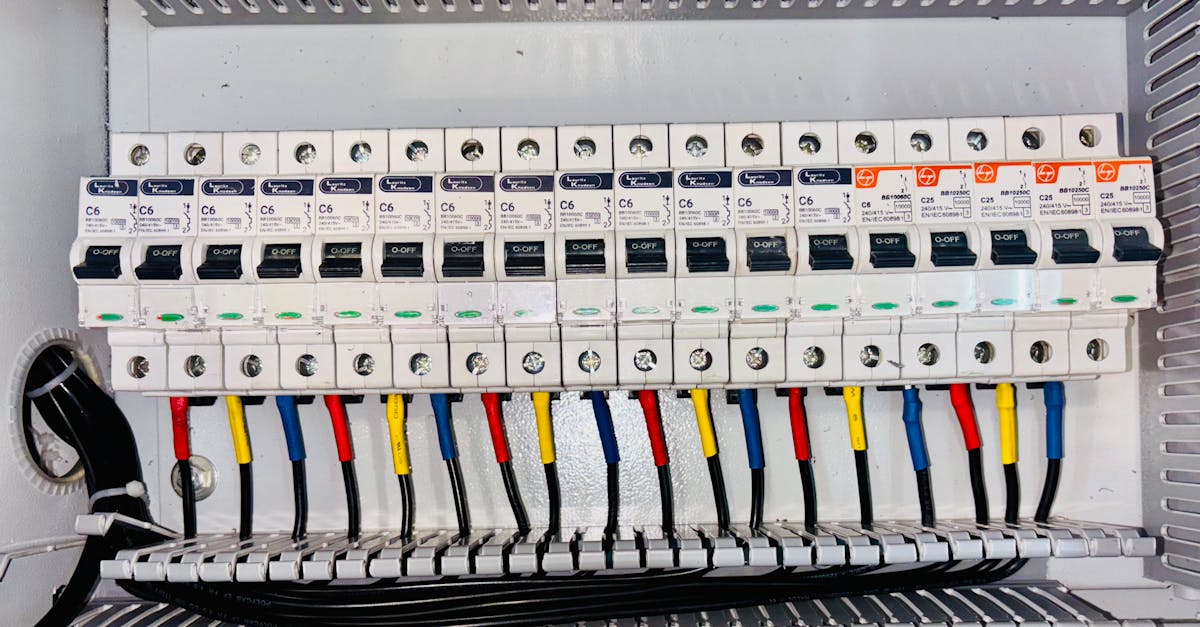
Electrical panels serve as the heart of a home’s electrical system. When these panels are not secured properly, they pose significant risks. Unsecured access can lead to unintended tampering or accidental contact with live components. It also opens up the possibility for moisture and dust to enter, which can cause corrosion or short circuits.
Regular inspections are vital to ensure that electrical panels are both locked and maintained in proper working condition. Adequate access and secure enclosures greatly reduce the likelihood of accidents or electrical failures. Homeowners should be vigilant about checking these areas and considering upgrades to meet safety standards.
Ensuring Safe Access to Electrical Panels
Safe access to electrical panels is crucial for both maintenance and emergency situations. Ensuring that panels are easily reachable helps homeowners and professionals quickly address electrical issues. Clear pathways can prevent accidents, allowing for efficient operation during inspections or repairs. Maintaining adequate space around these panels also helps to avoid overcrowding and reduces the risk of obstruction during critical moments.
Proper labelling and keeping documents related to the electrical system in proximity to the panel further enhances safety. In case of emergencies, those who may need to access the panel should know exactly where it is and how to utilise it without confusion. Regular checks to ensure that nothing obstructs the panel keep hazards at bay, promoting a safer living environment.
FAQS
What are common electrical hazards found during home safety inspections?
Common electrical hazards include ground faults, inadequate lighting, unsecured electrical panels, and outdated wiring systems.
How do Ground Fault Circuit Interrupters (GFCIs) enhance home safety?
GFCIs are designed to protect against electrical shock by interrupting the circuit when a ground fault is detected, making them essential in areas prone to moisture, such as kitchens and bathrooms.
What risks are associated with inadequate lighting in a home?
Inadequate lighting can lead to accidents, such as trips and falls, as well as increased stress on the eyes. It can also hide potential hazards that may go unnoticed.
Why is it important to ensure electrical panels are secured?
Unsecured electrical panels can pose serious safety risks, including electrical fires and unauthorised access. Properly secured panels ensure safe access and protect against accidental contact with live electrical components.
How often should I have a home safety inspection to identify electrical hazards?
It is recommended to have a home safety inspection every 1-3 years, or sooner if you notice any signs of electrical issues, such as flickering lights or tripped circuit breakers.
Related Links
The Role of the Electrician During Your Home Safety InspectionHow to Prepare for an Electrical Safety Inspection in Tullamarine
Tips for Choosing the Right Electrician for Safety Inspections
What to Expect from a Comprehensive Electrical Safety Inspection
The Impact of DIY Electrical Work on Safety Inspections
How Often Should You Schedule an Electrical Safety Inspection
Post-Inspection Recommendations: Ensuring Ongoing Electrical Safety