Troubleshooting Common Issues with Emergency Lighting Systems
Table Of Contents
Maintenance Tips for Longevity
Regular maintenance of emergency lighting systems is essential for their proper functioning during critical situations. Periodic inspections should focus on key components, including batteries and bulbs, to ensure they are in optimal condition. Testing lights monthly helps identify any failures early. It is also advisable to clean light fixtures and lenses to remove dust and debris, which can diminish brightness and effectiveness.
Additionally, keeping detailed maintenance records is crucial for tracking the performance of the system over time. Such records can highlight recurring issues that may need more serious attention. Engaging a qualified technician for annual servicing and comprehensive electrical checks can further extend the lifespan of the system. Taking these measures will not only improve reliability but also enhance safety for occupants in emergency scenarios.
Routine Checks and Services
Regular inspections of emergency lighting systems play a vital role in maintaining their functionality. Checking battery levels is crucial; ensuring they are fully charged can prevent unexpected failures during emergencies. Additionally, it’s essential to test the illumination levels of the lights to confirm they meet the required brightness standards. Faulty light fixtures should be replaced promptly, and any signs of physical damage must be addressed immediately.
Scheduled servicing should be conducted by professionals familiar with emergency lighting equipment. During these services, components such as control panels and wiring should undergo thorough examinations. This process helps to identify potential malfunctions that could affect the performance during an emergency. Keeping comprehensive records of routine checks and service history is also beneficial. This documentation can provide insights into the overall health of the system and assist in planning future maintenance needs.
Compliance and Regulations
Emergency lighting systems must adhere to stringent standards set by local and national regulations. In Australia, AS 2293 outlines the requirements for emergency lighting and exit signs, ensuring they provide adequate illumination during power outages. Compliance with these standards not only guarantees the safety of occupants but also helps organisations meet their legal obligations. Regular audits of emergency lighting systems can help identify any deviations from compliance, ensuring that all installations maintain the necessary performance levels.
It is essential to stay updated with changing regulations that may affect emergency lighting systems. Local councils may have additional requirements based on specific building codes or safety guidelines. Regular training and maintenance are vital for keeping emergency lighting systems compliant and functional. This will help organisations avoid penalties and enhance the overall safety of occupants in case of emergencies.
Ensuring Your System Meets Standards
Meeting compliance standards for emergency lighting systems is crucial for safety and legal adherence. Various regulations are in place, including AS 2293, which outlines the requirements for emergency escape lighting and exit signs. Regularly reviewing these standards ensures that all components of the system, from testing protocols to operational guidelines, align with the latest safety requirements. It is essential to stay informed about any updates or changes to these regulations to maintain compliance.
Incorporating a checklist for inspections can help streamline the process of ensuring your system meets required standards. Every component, including battery packs and fixtures, must function correctly and comply with the relevant codes. Employing a qualified technician for routine checks can further enhance reliability. Documenting these inspections and any corrective actions taken serves as a valuable record, demonstrating commitment to safety and adherence to regulatory standards.
Addressing Electrical Problems
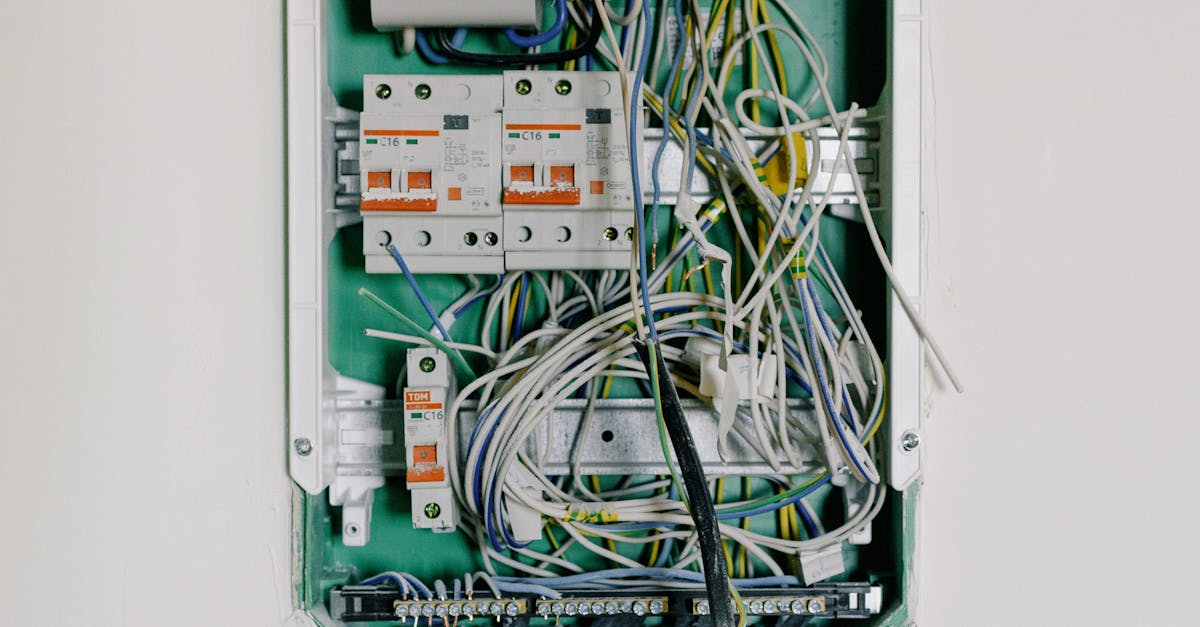
Electrical problems often manifest as flickering lights or complete failures in emergency lighting systems. These issues can arise from a variety of sources, including damaged wiring and faulty connections. Properly assessing the integrity of the electrical components is essential. Regular inspections should be conducted to identify signs of wear, corrosion, or loose connections. When issues are detected, addressing them promptly can prevent further complications and ensure that the system remains reliable during emergencies.
Common wiring issues include improper installation and degradation of insulation over time. Poor connections at junction boxes can lead to intermittent performance, creating potential hazards. Isolating specific sections of wiring can help pinpoint these problems. It is advisable to engage qualified electricians to perform in-depth evaluations and repairs. This approach not only improves safety but also extends the lifespan of the emergency lighting system.
Common Wiring Issues Explained
Wiring issues often manifest as intermittent failures in emergency lighting systems. Loose connections can cause lights to flicker or fail to activate during power outages. Over time, wires may corrode, leading to increased resistance and potential overheating. Regular inspections are vital for identifying these faults before they escalate into major problems. Checking connectors and terminals for signs of wear or damage is essential to maintaining the system's reliability.
Short circuits present another significant challenge. They occur when live wires touch each other or come into contact with conductive materials, leading to a system failure or even fire hazards. Ensuring proper insulation and cable management helps mitigate these risks. Additionally, installing circuit breakers can provide an added layer of protection, automatically cutting power in the event of an overload, thus preserving both the emergency lighting and overall safety of the premises.
FAQS
What are the most common issues with emergency lighting systems?
Some common issues include battery failure, inadequate illumination, and wiring problems. Regular maintenance and routine checks can help identify these issues early.
How often should I perform maintenance on my emergency lighting system?
It is recommended to perform maintenance at least every six months, which includes checking batteries, testing lights, and ensuring compliance with regulations.
What regulations should my emergency lighting system comply with?
Emergency lighting systems should comply with local building regulations, Australian Standards (such as AS 2293), and any relevant fire safety codes to ensure safety and reliability.
How can I troubleshoot wiring issues in my emergency lighting system?
Start by checking for loose connections, damaged wiring, or faulty circuits. Use a multimeter to test voltage levels and consult an electrician if you're unsure.
What steps should I take if my emergency lights are not functioning during a power outage?
First, check if the batteries are charged and functioning. If the batteries are fine, inspect the wiring and connections. If problems persist, consult a professional technician to diagnose and repair the issue.
Related Links
Optimal Emergency Lighting Installations for Commercial SpacesCost-Effective Emergency Lighting Options for Businesses
Innovative Technologies in Emergency Lighting Solutions
The Role of Emergency Lighting in Evacuation Procedures
Choosing the Right Emergency Lighting for Large Buildings
Maintenance Practices for Emergency Lighting in Workplaces
Compliance Standards for Emergency Lighting in Australian Businesses
Benefits of Professional Emergency Lighting System Design