Step-by-Step Guide to Restore Power After an Outage
Table Of Contents
Using Backup Power Sources
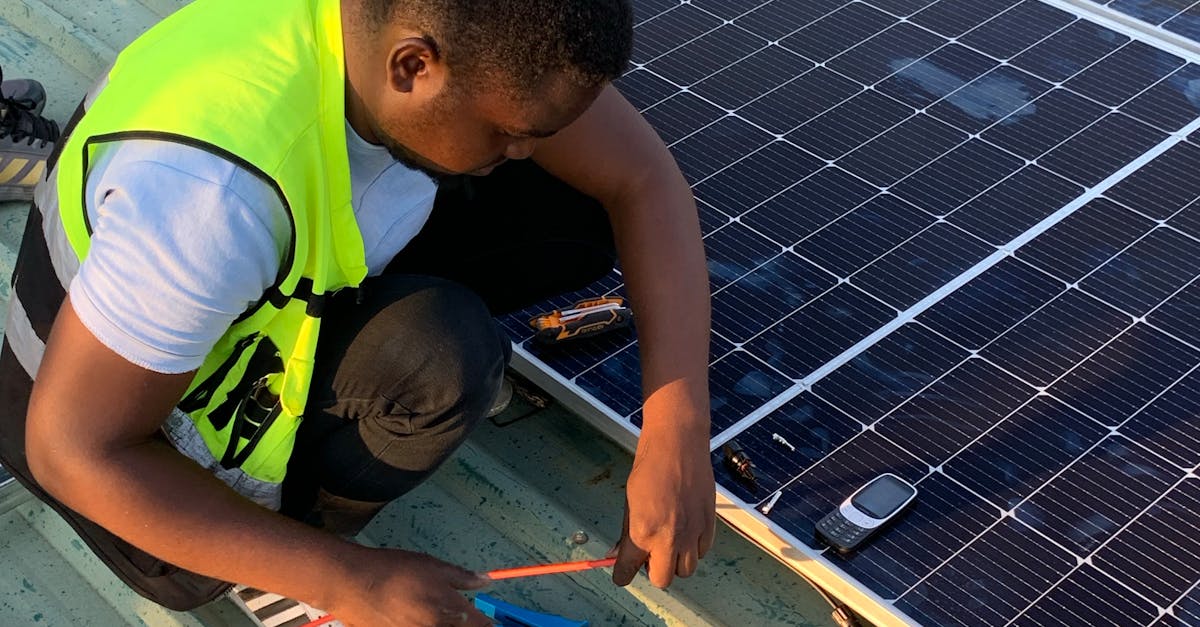
Backup power sources play a critical role in maintaining essential functions during power outages. Generators can provide immediate relief by supplying electricity to vital appliances, ensuring that refrigeration and heating systems remain operational. Solar-powered battery banks serve as another effective option, allowing users to harness renewable energy for their needs. Investing in reliable devices can mitigate disruptions, especially in regions prone to outages.
Before utilising any backup power source, it is vital to understand how to operate them safely. Ensure generators are placed outdoors to prevent carbon monoxide buildup indoors. Regular safety checks and maintenance increase the lifespan of power sources while improving efficiency. Being prepared with the correct information can greatly enhance one’s experience during unexpected power interruptions.
Guidelines for Generator Use
Before using a generator, it's essential to ensure it’s placed outdoors in a well-ventilated area. This reduces the risk of carbon monoxide buildup, which can be fatal. Always ensure that the generator is at least two metres away from windows, doors, and vents of your home. Using an extension cord rated for outdoor use can help safely connect the generator to your appliances. Avoid connecting the generator directly to the home’s electrical system unless you have a professional installation with a transfer switch.
It’s important to check the fuel type and capacity of the generator. Ensure you have an adequate fuel supply to keep it running for the desired duration. Always follow the manufacturer's instructions for maintenance and operation to prevent potential hazards. Regularly inspect the generator for any signs of wear or damage. Keeping the area around the generator clear of debris can also help reduce fire risks and ensure safe operation.
Preparing for Future Outages
Anticipating potential power interruptions can make a significant difference in how effectively you manage them. Begin by assessing your home's vulnerabilities and the appliances you rely on the most. Create a list detailing each device’s power requirements. This information will guide you in choosing the right backup generator or alternative power sources to suit your needs.
In addition to addressing power needs, it's wise to focus on non-electrical essentials. Assemble an emergency kit that includes water, non-perishable food, first-aid supplies, and important documents. Ensure you have sufficient supplies on hand to last for several days. Regularly review and update this kit, particularly before storm seasons or periods of increased vulnerability. Maintaining readiness can ease the stress when the next outage occurs.
Creating an Emergency Kit
An emergency kit is essential for preparedness during power outages. Begin by selecting a sturdy, easy-to-carry container that can house all necessary supplies. Include essentials such as water, non-perishable food items, a flashlight, and batteries. It’s wise to also add a first aid kit, medications, and any important documents. Ensure the food items are suitable for your family's dietary needs and can be consumed without heating.
Regularly check and update your emergency kit to ensure its effectiveness. Replace food and water supplies at least once a year, and review the contents to confirm everything is still in good condition. Consider including items like a portable phone charger or power bank to maintain communication when the power goes out. You may also want to incorporate personal hygiene items and a multi-tool, which can be invaluable in unexpected situations.
Checking Neighbourhood Power Status
After a power outage, it's essential to determine whether the issue is isolated to your home or affects your entire neighbourhood. Local utility companies often provide real-time updates on outages. Check their website or call them to receive the latest information regarding power status in your area. Social media platforms can also be a reliable source for community updates from both the utility provider and your neighbours.
If you discover that your neighbours are also without power, it's time to coordinate with them. Neighbourhood group chats or community boards can assist in sharing information quickly. Engaging with local community groups helps to gather insight into the outage's cause and expected restoration time. This collective knowledge can ease concerns and improve preparedness as everyone waits for the power to return.
Community Resources for Updates
Staying informed during a power outage is essential for safety and preparedness. Many communities offer local resources that provide updates on power restoration efforts. Websites and social media pages of your electricity provider often display real-time information on outages, estimated restoration times, and service updates. Additionally, local council websites may publish announcements and community alerts regarding ongoing conditions and support services available.
Another valuable resource includes community bulletin boards, both physical and digital. Many neighbourhoods have groups on platforms like Facebook and Nextdoor where residents can share information. These platforms can also be useful for learning about local shelters, food banks, and other support services during emergencies. Engaging with the community enhances the collective response to power outages and ensures everyone stays informed.
FAQS
What should I do first after a power outage?
The first step is to check if the outage is affecting just your home or the entire neighbourhood. Inspect your circuit breakers and ensure they haven't tripped. If the issue is outside your home, report it to your energy provider.
How can I safely use a generator during a power outage?
Ensure the generator is placed outdoors in a well-ventilated area to avoid carbon monoxide poisoning. Follow the manufacturer's guidelines for safe operation, and never connect the generator directly to your home’s electrical system without a proper transfer switch.
What items should I include in my emergency kit?
Your emergency kit should include essentials such as bottled water, non-perishable food, a flashlight, batteries, a first-aid kit, a whistle, and any necessary medications. Don’t forget items like a power bank for charging devices and a manual can opener.
How can I stay updated on power restoration in my area?
You can stay updated by checking your local energy provider’s website or social media channels. Many providers offer outage maps and estimated restoration times. Additionally, consider joining community groups or forums for real-time updates from neighbours.
Is it necessary to prepare for future outages?
Yes, preparing for future outages is essential to ensure your safety and comfort. By having an emergency kit ready, knowing how to use backup power sources, and staying informed about your neighbourhood's power status, you can reduce stress and remain self-sufficient during outages.
Related Links
Essential Tools for Homeowners During Power OutagesUnderstanding Common Causes of Power Outages in Tullamarine
What to Do if Your Power Outage Is Prolonged
Advantages of Installing a UPS for Outage Preparedness
Tips for Preventing Power Outages in Your Local Area
Signs Your Electrical System Is at Risk of a Power Outage
How to Safely Handle Power Outages in Stormy Weather
The Importance of Backup Generators for Tullamarine Residents