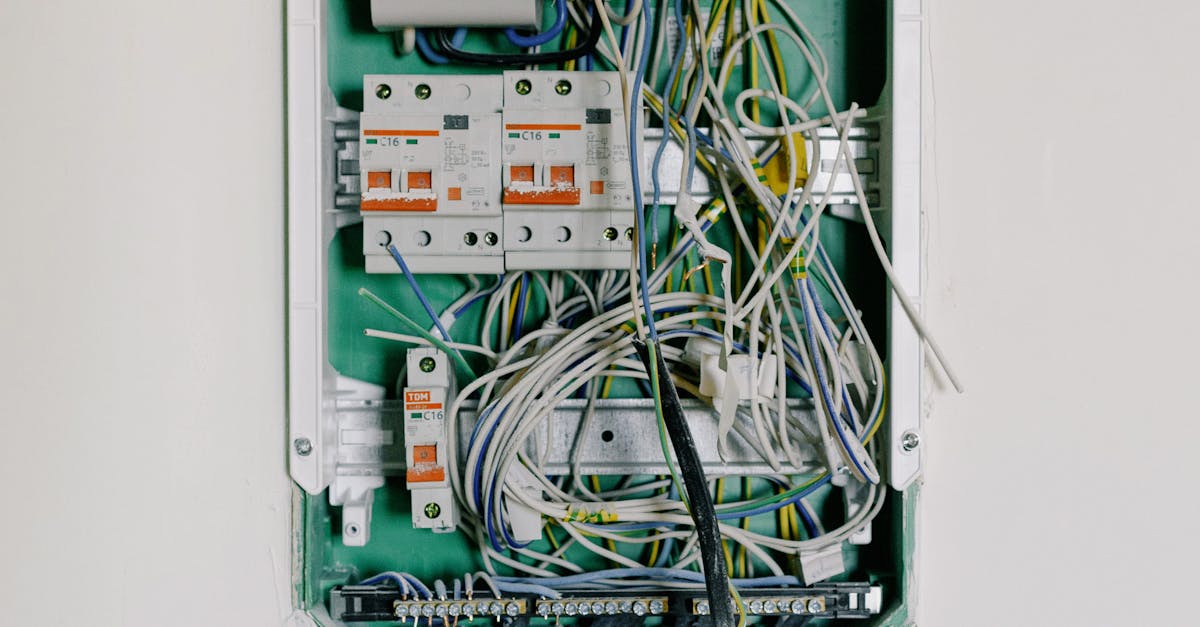
Promoting Electrical Safety Through Regular Inspections in Commercial Spaces
Table Of Contents
Choosing the Right Inspection Services
Selecting the appropriate inspection service is crucial for ensuring electrical safety in commercial environments. Companies should research providers that specialise in electrical inspections and have a solid reputation in the industry. It is beneficial to consider their experience, certifications, and any relevant accreditations. Checking online reviews and testimonials can also offer insights into the quality of service that can be expected.
Another significant factor to consider is the range of services offered by the inspection providers. Comprehensive inspections should cover not only the visible wiring but also circuit breakers, distribution boards, and other vital components of the electrical system. Additionally, it is important to ensure that the selected service includes follow-up assessments and support for any identified issues. This ensures ongoing compliance with safety standards and creates a culture of electrical safety within the commercial space.
Factors to Consider When Selecting a Provider
When selecting a provider for electrical inspection services, experience and qualifications should be at the forefront of your considerations. A team with a proven track record can often navigate the complexities of commercial electrical systems more effectively. Ensure that the inspector holds relevant certifications and complies with local regulations. This guarantees their competency and knowledge of current safety standards.
Cost is another critical factor. While it's essential to find a provider who offers competitive pricing, the lowest price does not always equate to the best quality of service. Consider the value offered, which includes thoroughness of inspections, availability for follow-up questions, and the quality of reports provided. An investment in reliable services often translates to enhanced safety and long-term savings in maintenance and compliance costs.
Employee Training and Safety Awareness
Creating a culture of safety in the workplace hinges on effective training programs for employees. These programs should focus on recognising potential electrical hazards and understanding the appropriate response in the event of an incident. Regularly scheduled workshops can reinforce knowledge and skills, ensuring that safety practices become second nature for everyone on site. Engaging staff through simulations and practical demonstrations can significantly enhance their confidence in handling emergency situations.
It's essential for management to encourage a proactive attitude towards safety awareness. Open lines of communication foster an environment where employees feel comfortable reporting unsafe conditions or near-misses. This not only aids in preventing accidents but also helps identify areas where additional training may be required. By embedding safety into the workplace culture, organisations can ensure that all team members are vigilant and committed to maintaining a secure environment.
Educating Staff on Electrical Safety Practices
Awareness of electrical safety is crucial for all employees within a commercial environment. Regular training sessions can help staff understand potential hazards associated with electricity, such as faulty wiring and improper equipment usage. Providing practical examples and real-life scenarios enhances their comprehension and reinforces the importance of following safety protocols. By creating an atmosphere of vigilance, companies can reduce the likelihood of accidents related to electrical systems.
Equipping employees with knowledge about emergency procedures is equally important. Conducting drills that simulate power outages or electrical fires prepares staff for unexpected situations. Clear communication about reporting electrical issues promptly ensures that problems are addressed before they escalate. Developing a culture of safety not only protects employees but also safeguards the overall integrity of the workplace.
The Role of Preventive Maintenance
Routine checks and upkeep of electrical systems form a critical part of ensuring safety in commercial environments. Regular preventive maintenance helps identify potential issues before they escalate into serious hazards. Inspections should cover wiring, circuit breakers, and all electrical components. This proactive approach not only aids in compliance with safety regulations but also minimises the risk of unexpected failures.
Additionally, implementing a structured maintenance schedule enhances the longevity and reliability of electrical systems. By addressing areas that may be prone to wear and tear, businesses can avoid costly repairs and downtime. Investing in preventive measures fosters a culture of safety within the workplace, emphasising the importance of maintaining equipment and infrastructure. This approach contributes to creating a secure environment for both employees and visitors.
Enhancing Safety through Regular Upkeep
Regular maintenance of electrical systems is essential in preventing potential hazards in commercial spaces. Inspections should not be limited to just checking for compliance; they also involve assessing the condition of wiring, circuit breakers, and other components. By identifying issues early, businesses can address problems before they escalate into serious safety concerns. An effective maintenance schedule can significantly reduce the risk of electrical fires and equipment failures, ensuring a safer work environment for employees and customers alike.
Routine upkeep includes not only regular inspections but also testing of safety devices such as residual current devices (RCDs) and other protective equipment. This proactive approach helps ensure that safety devices are functioning correctly and can provide the necessary protection in case of an electrical fault. Additionally, keeping detailed records of inspections and maintenance can aid in compliance with local regulations and provide valuable data for improving safety protocols in the future.
FAQS
Why are regular electrical inspections important in commercial spaces?
Regular electrical inspections are crucial in commercial spaces to identify potential hazards, ensure compliance with safety regulations, and maintain the overall safety and efficiency of electrical systems.
What factors should I consider when choosing an inspection service provider?
When selecting an inspection service provider, consider their qualifications, experience, reputation, range of services offered, and customer reviews to ensure they meet your specific needs.
How often should commercial properties undergo electrical inspections?
It is generally recommended that commercial properties undergo electrical inspections at least once a year; however, the frequency may vary depending on the type of business and the complexity of the electrical systems in use.
What key topics should be covered in employee training on electrical safety?
Employee training on electrical safety should cover essential topics such as recognising electrical hazards, proper use of electrical equipment, emergency procedures, and the importance of reporting any safety concerns.
How does preventive maintenance contribute to electrical safety?
Preventive maintenance helps enhance electrical safety by identifying and addressing potential issues before they become serious problems, reducing the risk of electrical failures, and ensuring that equipment operates efficiently.
Related Links
How Often Should You Schedule Electrical Safety Inspections for Your PropertyThe Impact of Ageing Wiring on Electrical Safety Inspections
Steps Involved in a Comprehensive Electrical Safety Inspection
The Role of Electrical Safety Inspections in Maintaining Home Insurance Coverage
How Electrical Safety Inspections Can Prevent Major Hazards
Common Electrical Hazards Found During Safety Inspections in Tullamarine