Essential Tips for DIY Power Point Installation and Safety
Table Of Contents
Step-by-Step Installation Guide
Begin by ensuring the power is switched off at the circuit breaker to eliminate any risk of electrical shock. Gather all necessary tools and materials, including a power point, wire cutters, screwdrivers, and a voltage tester. Carefully remove the existing power point cover plate and unscrew the power point from the wall socket. Take note of how the wires are connected, as this will be essential when installing the new unit.
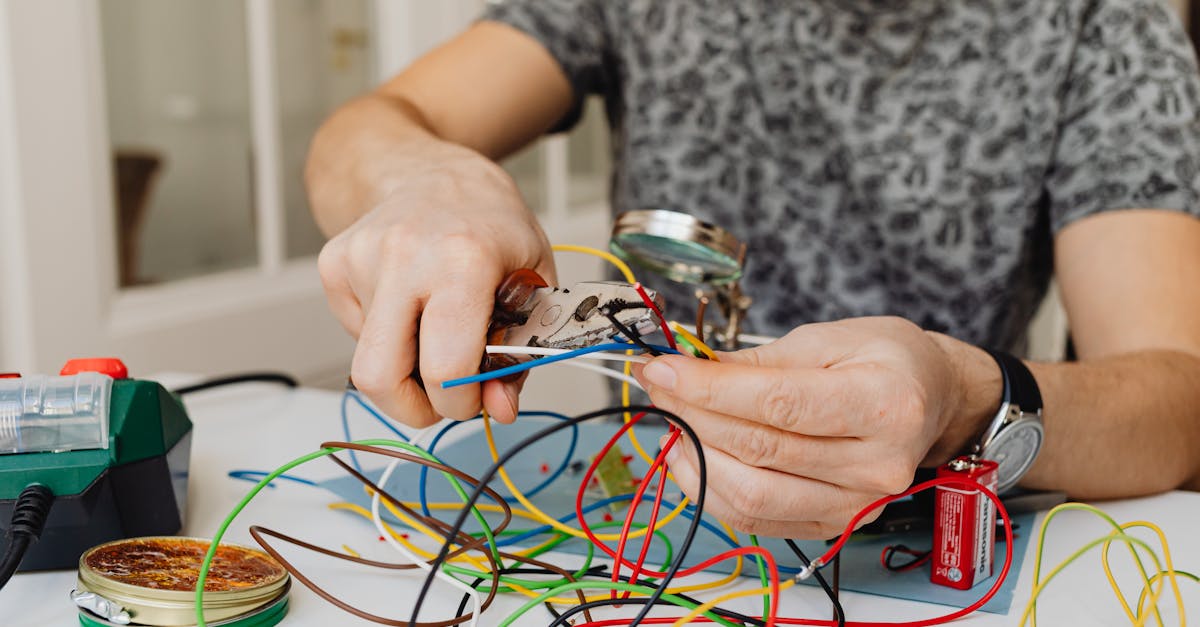
Next, prepare the new power point for installation. Strip the ends of the wires to ensure they fit securely into the terminals. Attach the active, neutral, and earth wires to their corresponding terminals, ensuring that they are tightly secured. Once all connections are made, gently push the power point back into the wall cavity and replace the screws. Finally, reattach the cover plate and switch the power back on to proceed to testing.
Wiring Your Power Point Correctly
Properly connecting wires is a crucial aspect of power point installation. Begin by turning off the power at the circuit breaker to prevent any accidents. Use a voltage tester to ensure that no electricity is flowing through the wires. Carefully strip the insulation off the ends of the wires to expose the metal, ensuring enough length to make solid connections. In most configurations, live wires typically connect to the brass screw, neutral wires to the silver screw, and earth wires to the green screw. Ensuring these connections are tight and secure will greatly reduce the risk of electrical faults.
Staying organised during wiring will help you avoid confusion later. It's advisable to label your wires if they are not colour-coded, particularly in complex setups. This practice can save time and reduce errors. When attaching wires, make sure they sit comfortably in their connectors without risk of short-circuiting. Neatness matters; arranging wires carefully can also aid in troubleshooting should problems arise. Prioritising a tidy and methodical approach enhances safety and efficiency in your DIY project.
Testing Your Installation
Once installation is complete, it is crucial to ensure everything is working correctly. Use a multimeter to check for proper voltage and continuity at the power point. Ensure that the readings align with standard electrical specifications. Conduct a thorough visual inspection of the wiring connections to confirm they are secure and that there are no exposed wires. This step guarantees that you have adhered to safety standards and can prevent potential hazards in the future.
After verifying the electrical parameters, it's time to test the functionality of the power point. Plug in a device, such as a lamp or a charger, to ensure it receives power without any flickering or unusual behaviour. Observe the performance under load and listen for any unusual sounds emanating from the power point. If any issues arise during this testing phase, it’s vital to turn off the power and rectify any problems before attempting to use the installation regularly.
Ensuring Proper Functionality and Safety
After completing your DIY power point installation, testing for functionality is essential. Use a voltage tester to ensure that the power point is receiving electricity. Carefully insert the tester into the socket. An indication of a working connection will confirm the installation's success. If the tester shows no signs of power, double-check your wiring connections. It is crucial to ensure that all wires are securely attached and that all safety measures have been followed.
Safety should remain a priority during and after the installation process. Ensure that the circuit breaker is switched off before any work begins to prevent electrical shock. Once the installation is complete, make certain that the area around the power point is dry and free from debris. Regular inspections of the power point can help identify any wear and tear over time. Always consider using a qualified electrician if you feel uncertain about any part of the installation process.
Common Mistakes to Avoid
Neglecting to turn off the power before starting the installation process is a common oversight. Many DIY enthusiasts may assume their skills are sufficient to avoid accidents, leading to unnecessary risks. It is crucial to double-check that the circuit breaker is off to ensure safety while working with electrical components.
Another frequent error is misjudging the placement of the power point. Factors such as proximity to water sources, accessibility, and adherence to Australian standards often get overlooked. Taking the time to plan the installation site carefully can prevent issues in the future, including potential hazards and interference with furniture or appliances.
Identifying Potential Pitfalls
DIY projects can often lead to unexpected challenges, especially during power point installation. One common pitfall is underestimating the complexity of electrical work. Many enthusiasts may overlook critical tasks such as secure connections or proper grounding. Neglecting these aspects can result in malfunctioning power points or, worse, create hazardous situations over time.
Another issue arises from using inappropriate tools or materials. For instance, employing non-compliant wiring can compromise the safety of your installation. Similarly, attempting to work in areas without adequate access or illumination may lead to errors. Ensuring the use of the right tools and materials aligns with safety regulations can significantly minimise risks.
FAQS
What tools do I need for DIY power point installation?
For DIY power point installation, you will typically need a screwdriver, wire strippers, a voltage tester, a drill, and safety gear such as gloves and goggles.
How can I ensure my wiring is safe during installation?
To ensure safe wiring during installation, always turn off the power supply at the circuit breaker, use a voltage tester to confirm that wires are not live, and follow the colour coding for wires (usually brown for live, blue for neutral, and green/yellow for earth).
What should I do if my power point does not work after installation?
If your power point does not work after installation, first check the circuit breaker to see if it has tripped. If it hasn’t, use a voltage tester to check for power at the outlet. If there is no power, double-check your wiring connections, and if needed, consult a licensed electrician.
Are there common mistakes I should be aware of during installation?
Yes, common mistakes include not turning off the power, incorrect wiring connections, using the wrong type of power point for your needs, and failing to secure the power point properly to the wall.
Is it necessary to hire a professional for power point installation?
While DIY installation is possible for those with the right skills and knowledge, it is advisable to hire a licensed electrician if you are unsure about any part of the process, as this ensures safety and compliance with local electrical regulations.
Related Links
The Importance of GFCI Power Points in Protecting Your HomeUpgrading Your Home’s Power Points for Enhanced Functionality
Exploring Switchable Power Points: Convenience at Your Fingertips
Power Points vs. Power Strips: What’s Best for Your Home?
Innovations in Power Point Design: Trends for Modern Homes
Common Issues with Power Points and How to Solve Them
Understanding Power Point Safety Standards for Residential Properties