Common Lighting Issues and How to Fix Them
Table Of Contents
Non-Functional Switches
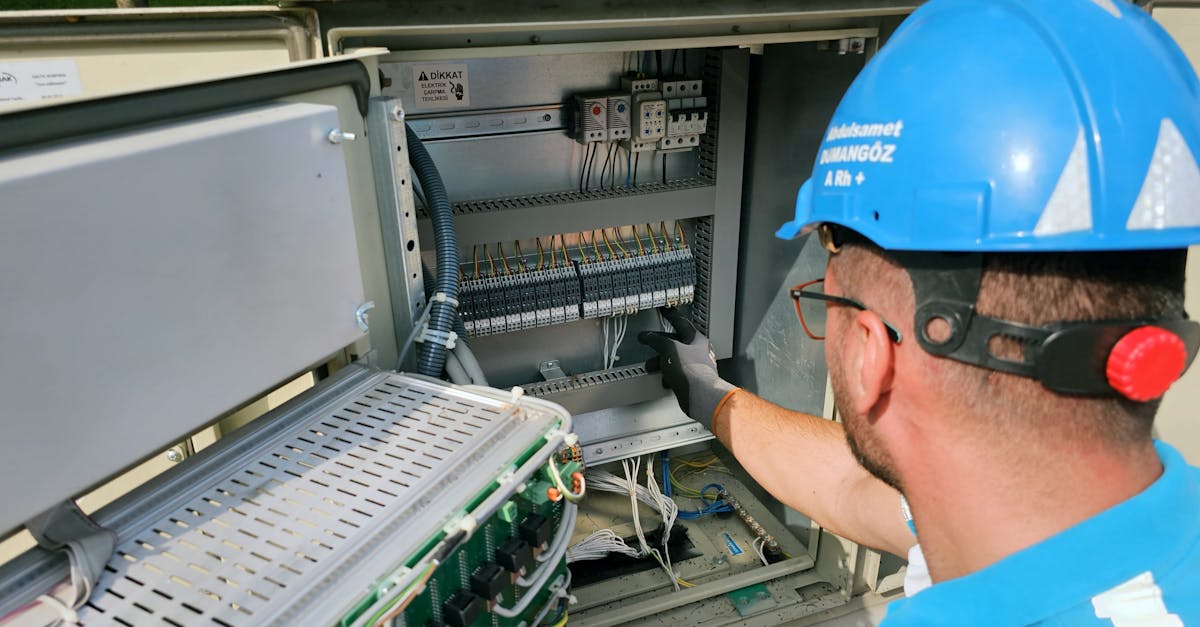
Experiencing non-functional switches can be frustrating and may lead to confusion about whether the issue lies within the switch itself or the electrical circuit. Often, the problem can stem from loose wiring behind the switch plate. It's essential to ensure that the power is turned off at the circuit breaker before attempting any inspection to prevent electrical shock and guarantee safety during the troubleshooting process.
Another common cause of switch malfunction involves wear and tear over time. Frequent use can lead to the internal components becoming damaged or worn out, resulting in a switch that does not operate as intended. If the switch is faulty, it’s advisable to replace it with a new one that matches the specifications of the existing electrical system. Doing so not only restores functionality but also ensures reliable performance moving forward.
Troubleshooting Light Switch Issues
Examine the switch for any visible signs of damage. Cracked or broken components may point to the need for replacement. Next, ensure that the power supply is functioning properly. This can involve checking the circuit breaker to verify whether it has tripped. If the breaker has a history of tripping, it could indicate an overloaded circuit or fault that requires attention.
Remove the switch cover plate and inspect the wiring connections. Loose wires may prevent the switch from functioning correctly. Ensuring all wires are securely connected can often resolve the issue. If these steps do not rectify the problem, consulting a qualified electrician is advisable to address underlying electrical faults safely.
Lighting for Working from Home
Creating a comfortable workspace at home is essential for productivity and focus. Natural light can enhance mood and energy levels, so position your desk near a window if possible. If you rely on artificial lighting, opt for a combination of overhead lighting and task lighting. Desk lamps with adjustable brightness can help reduce eye strain while providing adequate illumination for reading and writing tasks.
Consider the colour temperature of your bulbs as well. Warmer tones can create a relaxing atmosphere, while cooler tones promote concentration and alertness. Layering different light sources allows for flexibility depending on the time of day and your activities. Don’t forget to also take into account lighting for virtual meetings, ensuring your face is well-lit and evenly illuminated to create a professional appearance.
Creating an Ideal Work Environment
The right lighting can significantly enhance productivity in a home office. Bright, natural light is often preferred as it reduces eye strain and fatigue. If natural light is limited, consider using full-spectrum daylight bulbs to mimic sunlight. Positioning your desk near a window not only provides ample illumination but also creates a more pleasant atmosphere. Avoid overhead lighting that casts harsh shadows or creates glare on screens, as this can lead to discomfort during long working hours.
In addition to brightness, the colour temperature of your lighting affects your mood and focus. Warmer tones are known to promote relaxation, while cooler tones are energising. Balancing ambient, task, and accent lighting is crucial to ensure all areas are well-lit without overwhelming the senses. Using adjustable dimmers allows for flexibility, catering to various tasks throughout the day. Thoughtfully chosen lighting can turn a simple workspace into an inspiring environment that fosters creativity and efficiency.
Poor Outdoor Lighting
Insufficient outdoor lighting can create safety hazards and diminish the visual appeal of your property. Dark pathways and doorways increase the risk of trips and falls, especially for guests or delivery services. A lack of illumination may also invite unwanted attention or trespassers, making security a significant concern for homeowners. Enhancing outdoor lighting can not only improve safety but also add to the aesthetics of your garden or exterior space.
There are various solutions to brighten outdoor areas effectively. Installing motion sensor lights along pathways can provide instant illumination when needed, while solar-powered garden lights offer an eco-friendly option that doesn’t rely on the electrical grid. Consider using a combination of ambient and task lighting for versatility. Spotlights can highlight key architectural features or landscape elements, making your outdoor space more inviting and functional.
Improving Safety and Ambiance
Strategically placed outdoor lighting can significantly enhance both safety and ambiance. Pathways should be well-lit to prevent trips and falls, especially during darker hours. Using motion-sensor lights can be an effective solution to illuminate entry points only when needed. Additionally, installing low-level garden lights can draw attention to landscaping while providing subtle illumination that creates a welcoming atmosphere.
Incorporating various light sources can elevate the overall feel of outdoor spaces. String lights can add a festive touch to patios, gardens, or balconies, making them inviting for evening gatherings. Solar-powered lanterns also offer an eco-friendly option, casting a warm glow without the need for wiring. Consider layering light sources, including up-lights for trees or plants, to create depth and character in the space.
FAQS
What should I do if my light switch is not functioning?
First, check if the circuit breaker has tripped or if a fuse has blown. If not, you may need to replace the switch or consult a qualified electrician for further troubleshooting.
How can I create a productive work environment with lighting?
Use a combination of task lighting, such as desk lamps, and ambient lighting to reduce glare and create a comfortable atmosphere. Position lights to minimise shadows and consider using adjustable fixtures.
What are some common issues with outdoor lighting?
Common issues include inadequate brightness, uneven lighting, or fixtures that are not weatherproof. Check bulbs, fixture placement, and consider adding motion sensors for enhanced safety.
How can I improve the safety of my outdoor lighting?
Ensure that pathways and entrances are well-lit with sufficient brightness. Use solar lights or LED fixtures that are specifically designed for outdoor use, and consider installing motion-activated lights.
What type of lighting is best for video calls while working from home?
Natural light is ideal, but if that’s not possible, use soft, diffused lighting from a lamp positioned in front of you to reduce shadows and create a flattering appearance on camera. Avoid harsh overhead lights.
Related Links
Steps for Proper Installation of Ceiling LightsBenefits of LED Lighting for Tullamarine Residents
Understanding Different Types of Residential Lighting
Importance of Professional Lighting Repairs
Enhancing Home Ambiance with Custom Lighting Designs
Essential Tips for Outdoor Lighting Installation
Choosing the Right Lighting Fixtures for Your Home
Energy-Efficient Lighting Upgrades in Residential Spaces
Innovative Lighting Solutions for Tullamarine Homes